The Role of Ambiance in Casino Design
Ambiance plays a critical role in creating an immersive experience for casino visitors. The fusion of lights, sounds, and scents is carefully orchestrated to captivate and engage players. Bright, flashing lights and upbeat rhythmic music are strategically employed to evoke feelings of excitement and energy, while softer, ambient sounds help foster an atmosphere of comfort and relaxation. This sensory landscape effectively distracts players from the pressures of time and the money they are spending, allowing them to enjoy their favorite online pokies and encouraging them to linger longer within the gaming spaces.
Architectural design and interior aesthetics also significantly contribute to the ambiance. Casinos often feature wide-open layouts that invite exploration, guiding patrons from one gaming area to another almost subconsciously. The color schemes are deliberately chosen to evoke specific emotional responses; for instance, warmer colors can stimulate activity and energy, whereas cooler tones are often utilized to promote a sense of calm and relaxation. This strategic manipulation of color and sound serves as a psychological tactic aimed at maximizing player involvement and ideally increasing the duration of their gambling activities.
Moreover, the incorporation of natural elements, such as artificial skylights or water features, enhances the casino environment by instilling a sense of tranquility amidst the overstimulation of gaming machines and tables. The careful use of fragrance can also be a subtle yet powerful tool in casino design. Specific scents can evoke positive emotions and create a sense of familiarity that makes players feel more at home, ultimately encouraging them to stay longer and engage more deeply with their activities.
The Psychology of Game Layout
The layout of gaming areas is meticulously planned to optimize player engagement and satisfaction. Casinos typically arrange slot machines and table games in specific configurations that attract players while also promoting a prolonged gambling experience. The positioning of popular games in high-traffic areas is a strategic choice; this arrangement increases the likelihood that players will stay near these games, thereby extending their playtime. This thoughtful design caters to both the visual and psychological interests of players, drawing them into a gaming environment that feels both inviting and exhilarating.
Furthermore, the concept of escapism plays an essential role in how games are laid out within the casino. By crafting spaces that transport players away from everyday life, casinos create an environment where individuals can immerse themselves in the gaming experience. This psychologically immersive setting often leads players to lose track of time and money, as they become absorbed in their gaming activities. The layout is designed to subtly guide the emotional journey of players, encouraging them to engage deeply in their gaming pursuits.
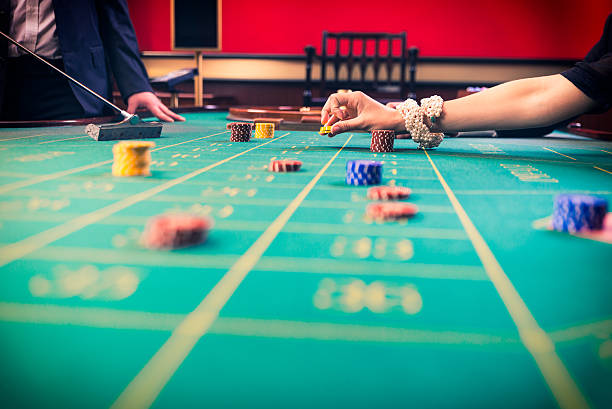
Additionally, casinos leverage various psychological principles in their game designs, particularly the concept of loss aversion. For instance, slot machines are designed with high-frequency payouts that vary in size, creating a cycle of anticipation and excitement. This phenomenon, often termed the “near miss” effect, can trigger intense emotions, compelling players to continue playing in hopes of securing a significant win. The layout fosters an environment that capitalizes on these psychological triggers, ensuring that players remain engaged and invested in their gaming experiences.
Incorporating Social Interaction in Casino Design
Social interaction is a fundamental element in the design of casinos, significantly enhancing the overall experience for patrons. Many gaming areas are intentionally arranged to promote communal activities, such as table games, where players can interact and share in the excitement of the game. This aspect of shared experience fosters camaraderie and competition, enhancing the enjoyment derived from gaming. The social dynamics at play can lead to stronger emotional connections, encouraging players to return to the casino environment.
Moreover, the presence of bars and lounges within casinos serves as social hubs, encouraging visitors to unwind, mingle, and exchange strategies or experiences. These areas are strategically designed to foster socialization, ensuring that players feel comfortable engaging with one another. The interplay of gaming and socialization contributes to prolonged visits, as patrons are more inclined to stay in an environment that encourages interaction while indulging in their favorite pastimes.
Additionally, casinos often host events such as poker tournaments or promotional gatherings to enhance social interaction. These events not only attract more participants but also cultivate a sense of community among players, encouraging them to return. By integrating social components into the casino design, operators can amplify the appeal of their establishments, ensuring that players enjoy a multifaceted experience that extends beyond mere gambling.
The Use of Gamification in Casino Design
Gamification refers to the integration of game-design elements into non-game contexts, and its presence in casino design is becoming increasingly prominent. By incorporating elements such as points, levels, and rewards, casinos can significantly enhance player engagement and loyalty. This strategy taps into the natural human tendency toward competition and achievement, motivating players to pursue additional rewards and benefits while gambling.

The implementation of loyalty programs exemplifies gamification in practice. Players earn points for every dollar spent, which can later be redeemed for various prizes, including free play, dining experiences, or hotel accommodations. This system not only encourages players to return but also motivates them to increase their spending to reach higher tiers of rewards. The psychological foundation behind this strategy is straightforward: the prospect of earning rewards incentivizes players to engage in more frequent gambling behavior.
Furthermore, advancements in technology have led to interactive gaming experiences through mobile apps and online platforms, which continue to drive the gamification trend. These platforms allow players to interact with casino content outside of the physical establishment, making it easier for them to stay connected to their favorite games. By offering a more dynamic and personalized experience, casinos can effectively draw players back into their environments, creating a continuous cycle of engagement and loyalty that benefits both parties.
Understanding Casino Design Through Online Resources
To further explore the nuances of casino design and the psychology that underpins it, various online resources provide valuable insights. Websites dedicated to gaming design and psychology offer in-depth analyses and case studies that highlight the strategies casinos employ to maximize player engagement. By diving into these resources, individuals can gain a greater understanding of the intricate relationship between design choices and player behavior, enhancing their appreciation for the complexities involved.
Additionally, forums and online communities focused on gaming facilitate discussions about personal experiences and observations related to casino environments. By sharing insights and anecdotes, players contribute to a broader understanding of how design factors influence their overall enjoyment and time spent in casinos. Such platforms not only enrich personal knowledge but also foster a sense of community among enthusiasts, creating a supportive space for discussion and exploration.
Lastly, research articles and academic publications on environmental psychology provide evidence-based insights into how design elements impact human behavior. Understanding these principles can be beneficial not only for players but also for industry professionals looking to refine their establishments. By utilizing online resources, individuals can deepen their appreciation for the psychological strategies employed in casino design, ultimately enhancing their overall experience and enjoyment during their visits.